Prosecutors facing scrutiny outnumber special counsel investigators handling high-profile case
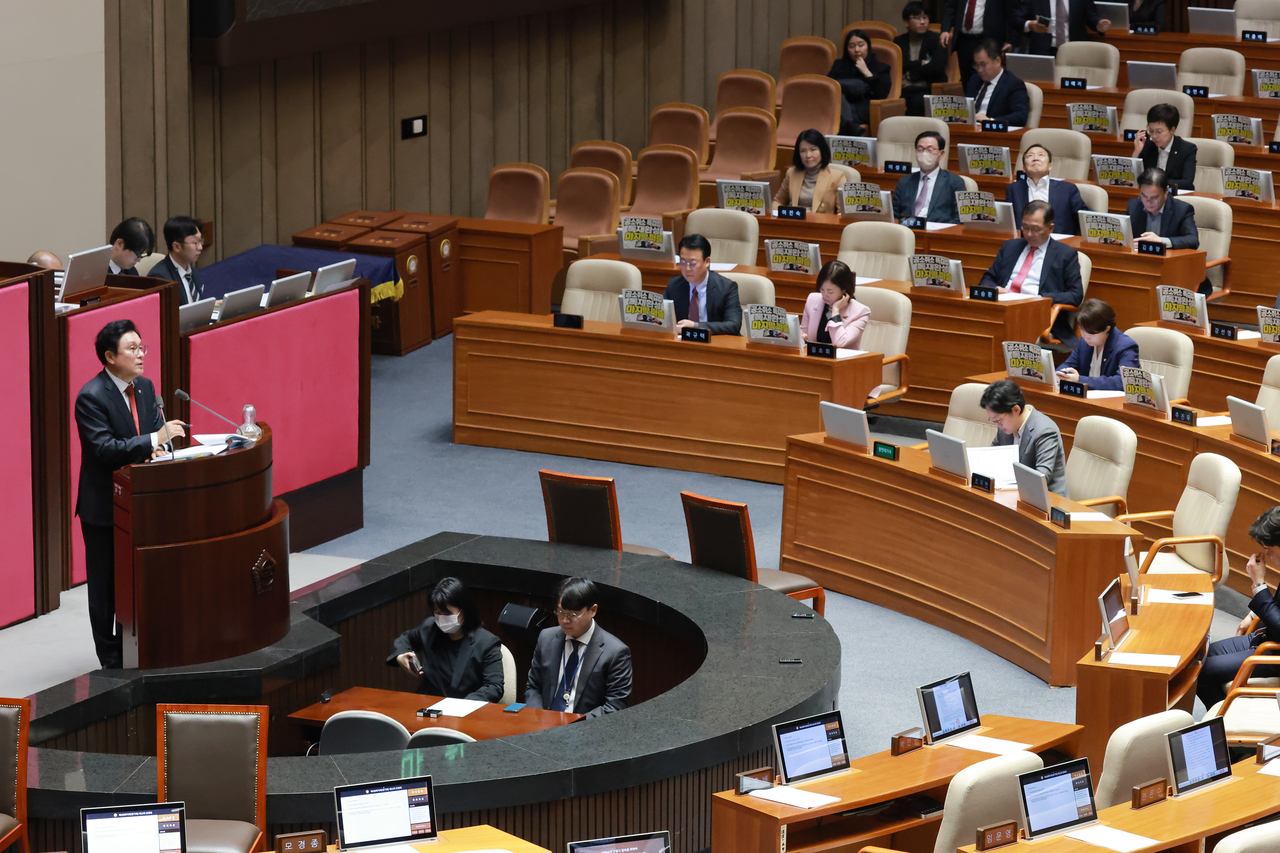
The special counsel tasked with investigating alleged fabricated prosecutions during the previous administration faces a staffing shortage and legal challenges, sparking concern over whether it can effectively carry out its mandate.
The Cabinet is expected to approve the bill establishing the investigation on Tuesday, after the ruling Democratic Party of Korea pushed the bill through the National Assembly on Nov. 6. That followed a filibuster and boycott of the vote by the main opposition People Power Party.
The concerns stem from the investigation's wide scope: the number of current and former prosecutors potentially subject to scrutiny far exceeds the 20 prosecutors who can be assigned to the special counsel team.
The special counsel will investigate allegations that prosecutors under former President Yoon Suk Yeol fabricated evidence or induced false testimony to build cases against President Lee Jae Myung, then the main opposition leader.
The investigation will cover 12 categories of cases encompassing a broad range of politically sensitive investigations conducted during or before the Yoon administration.
Six categories concern cases involving Lee, including the Daejang-dong, Wirye and Baekhyeon-dong development scandals; alleged election law violations related to the development projects; illegal sponsorship allegations involving Seongnam FC; subornation of perjury; the Ssangbangwool North Korea remittance scandal; and the alleged misuse of a Gyeonggi Province corporate credit card.
Special counsel to probe veteran prosecutors
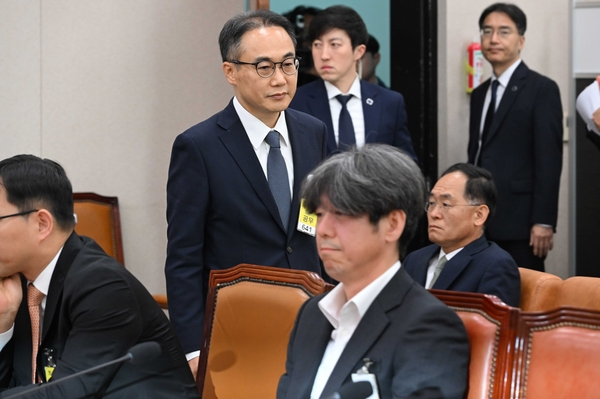
Most of the cases involving Lee were investigated under Lee One-seok, the first prosecutor general of the Yoon administration.
As prosecutor general, Lee One-seok called for then-opposition leader Lee Jae Myung’s arrest in February 2023, citing allegations involving the development scandals and illegal sponsorship through Seongnam FC. The arrest warrant request, however, was rejected by the court.
Five former chief prosecutors who headed the Seoul Central and Suwon district offices during the Yoon administration also oversaw investigations into Lee’s cases.
Song Kyung-ho, who headed the Seoul Central District Prosecutors’ Office from May 2022 to May 2024, said during a 2023 parliamentary audit that each of Lee’s alleged offenses was serious enough to warrant arrest.
His successor, Lee Chang-soo, investigated the Seongnam FC case while serving as head of the Seongnam branch of the Suwon District Prosecutors’ Office in Gyeonggi Province.
Lee Chang-soo was also indicted without detention by a separate special counsel over allegations that he covered up a Deutsche Motors stock manipulation case involving Yoon Suk Yeol's wife, Kim Keon Hee.
Hong Seung-wook, who headed the Suwon District Prosecutors’ Office in 2022, said during a parliamentary audit that the investigation into the Ssangbangwool North Korea remittance scandal was not politically motivated retaliation.
Hong later faced allegations that prosecutors under his leadership had pressured former Gyeonggi Province Vice Gov. Lee Hwa-young into giving false testimony in connection with the scandal. Hong denied the allegations.
Hong’s successors, Shin Bong-soo and Kim Yu-cheol, continued overseeing the investigation.
Seven other prosecutors headed divisions directly involved in Lee Jae Myung’s cases.
Including rank-and-file prosecutors who participated in the investigations under their supervision, the number of current and former prosecutors who may face investigation for their involvement in Lee’s cases alone exceeds the special counsel team’s quota of 20 dispatched prosecutors.
The potential pool of prosecutors subject to investigation could grow considerably, as the special counsel’s mandate also covers six categories of cases unrelated to Lee Jae Myung.
Staffing shortages raise questions over investigative capacity
It remains unclear whether the special counsel will have sufficient resources to investigate all prosecutors potentially implicated in the cases, as the upcoming probe would be unprecedented in scale.
Recruitment to the special counsel could also prove difficult, as prosecutors are reportedly reluctant to join an investigation that would require them to scrutinize current and former colleagues.
The difficulties come amid a broader shortage of investigative personnel following the government’s sweeping prosecution reform.
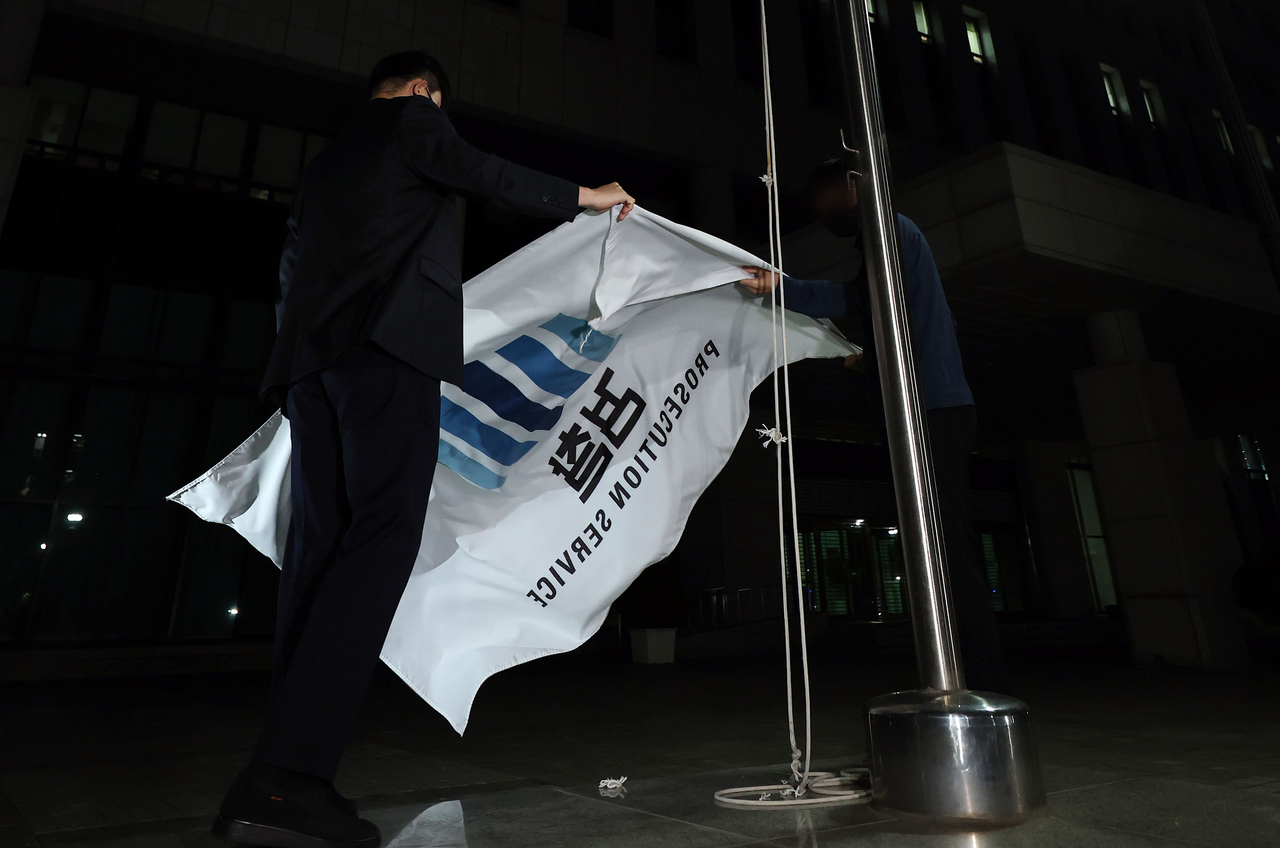
The Prosecutors’ Office was abolished on Oct. 2 and replaced by the Public Prosecution Service and the Serious Crimes Investigation Agency, separating prosecutorial and investigative functions.
The restructuring has coincided with a wave of departures from the prosecution service and mounting political pressure to reduce the number of prosecutors. A total of 125 prosecutors resigned in just one month, between Oct. 2 and Nov. 1, according to local reports.
The Serious Crimes Investigation Agency also began operations with only about two-thirds of its authorized personnel.
The shortage has already affected another special counsel investigation.
When a separate special counsel investigating allegations involving the National Election Commission requested approximately 10 investigators from the agency, it was told that only one could be dispatched.
The staffing difficulties have raised questions about whether the new special counsel will be able to assemble a team capable of investigating the wide range of cases within its mandate.
Constitutional concerns could complicate probe
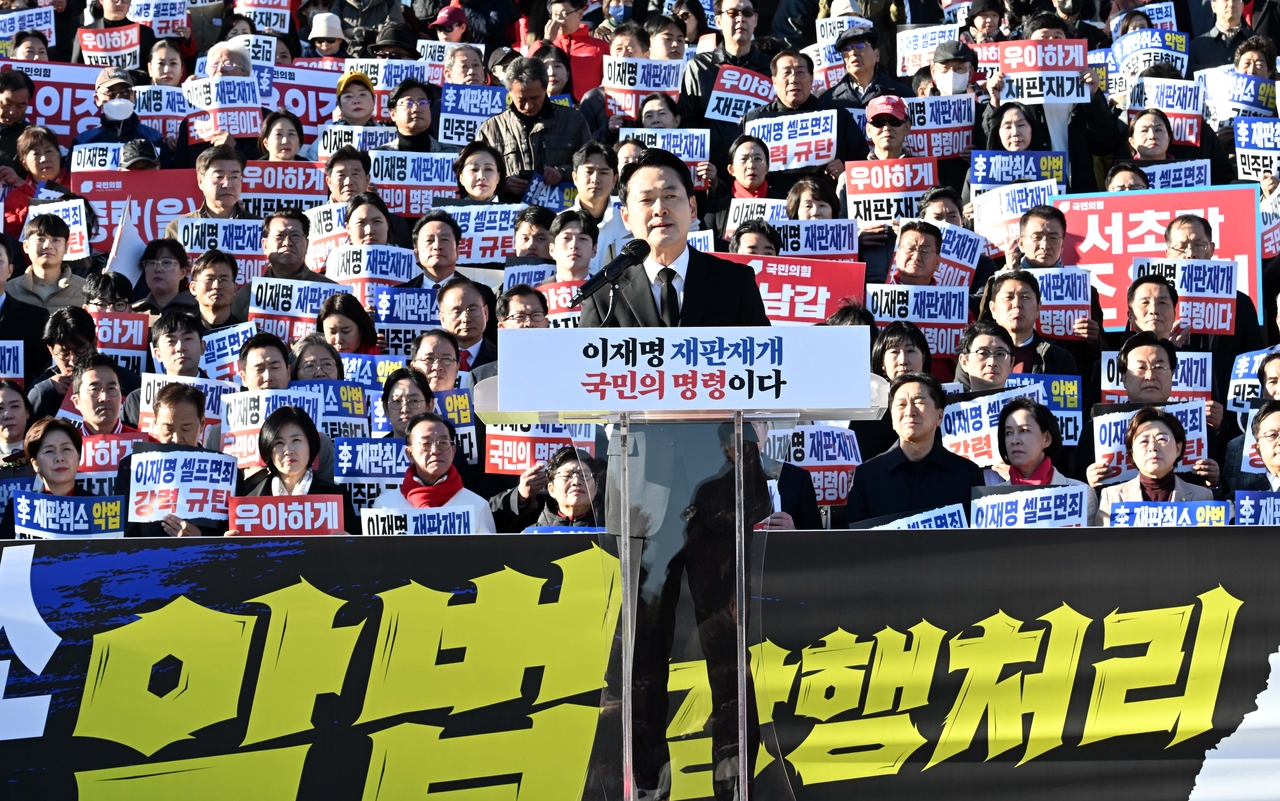
Questions have also been raised over whether provisions of the new special counsel law could face constitutional challenges or conflict with the recently restructured criminal justice system.
One concern involves a provision allowing prosecutors dispatched to the special counsel team to exercise investigative powers under provisions of the Criminal Procedure Act that were superseded when the prosecution reform took effect in October.
Another involves a potential conflict of interest, as President Lee would be responsible for appointing the special counsel tasked with reviewing investigations and prosecutions involving himself.
Critics have also questioned the law’s use of broadly defined terms, including “prolonged,” “large-scale” and “concentrated,” in specifying the investigations subject to scrutiny.
If prosecutors under investigation challenge the law’s provisions as part of their legal defense, the resulting disputes could further complicate the investigation, subsequent prosecutions and efforts to secure convictions.
Courts may also face questions over the scope of the special counsel’s authority when reviewing applications for search and seizure warrants or arrest warrants.
seungku99@heraldcorp.com